

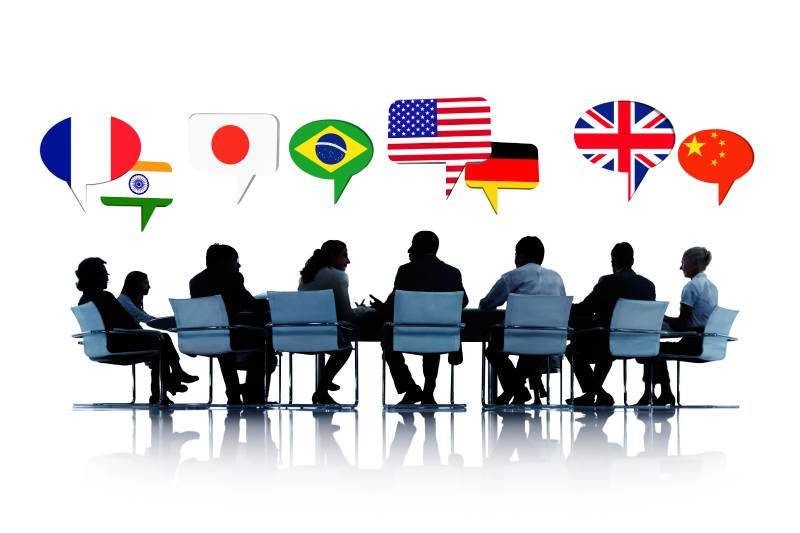
Our world thrives on communication – over a billion linguistic bonds form daily across continents as global connections accelerate. Language builds bridges between cultures faster than trade deals or diplomatic channels ever could.
Consider this stark contrast: 7,000 unique languages echo worldwide, yet just twenty account for half of Earth’s communication capacity. This article explores languages dominating modern discourse using Ethnologue’s population data, revealing why learners prioritize these powerhouses for career advancement and cultural navigation.
Why Language Dominance Matters:
Global workforce access: Multinational employers seek professionals bridging Mandarin-CEO conferences and Hindi coding teams
Cultural diplomacy: Understanding Arabic media narratives or Swahili trade negotiations requires linguistic fluency
Educational strategy: School systems from Sydney to San Francisco align language curricula with geopolitical shifts
Data reveals surprising trends – Portuguese overtakes French in African markets, while Indonesia’s growth rockets Malay into economic must-learn status. Our analysis cuts through assumptions, showing how speaker counts translate to real-world influence.
As digital nomads rewrite globalization rules, mastering strategic languages delivers competitive edges no algorithm can replicate. The following sections decode which vernaculars command boardrooms, digital platforms, and cultural landscapes – your ticket to thriving in our polyglot future.
Methodology Behind Determining the Most Spoken Languages
There are various metrics for ranking linguistic prevalence, whether considering native speakers, geographic reach, or total speakers that include all users.
This analysis focuses on total speaker counts because this metric captures real-world utility better than theoretical parameters. Ethnologue, published by SIL International, has become our trusted resource since its methodology centers specifically on quantifying global communication reach.
Consider the challenge: compiling global language statistics requires navigating evolving bilingual regions and inconsistent census methodologies. Even UNESCO data shows variances – some countries track linguistic
- diversity while others overlook undocumented dialects.
- Our core measurement criteria:
- Counts all proficient speakers (daily users)
- Includes secondary learners who regularly engage with the language
- Exclusive use of primary-source documentation
Why trust SIL International’s work? As a nonprofit with eight decades of field research, their Ethnologue data undergoes annual revisions across 7,000+ languages. The distinction between second-language learners and primary speakers matters less than the communicative impact.
Understanding these metrics prepares us to examine what numbers reveal about cultural influence. Let’s analyze which languages connect billions of speakers worldwide in boardrooms, markets, and social platforms.
Ranking the Top Languages Shaping Global Communication
Let’s dive into global linguistics by exploring the top five most spoken languages in today’s interconnected world – English, Mandarin Chinese, Hindi, Spanish, and Arabic. Understanding these linguistic titans opens doors to cultural treasures and career-boosting opportunities you won’t miss.
English stands first on our global roster, connecting 1.5 billion speakers worldwide like no other tongue. Its role extends far beyond native speakers – international business deals in London and Singapore hotels use English menus as standard. Three key factors fuel its dominance:
- Serving as aviation’s official language (all pilots must use English communications)
- Dominating 90% of computer interface designs
- Providing access to 60% of the world’s websites
Moving to Asia, Mandarin claims the second position with 1.1 billion total speakers. The language thrives thanks to China’s economic explosion – global trade contracts increasingly require Mandarin fluency. What makes this tongue unique? Master approximately 2,500 characters from its 50,000-character writing system to navigate most daily interactions.
Next, we explore Hindi, India’s cultural glue, which unifies 609 million speakers across vibrant linguistic diversity. The global appetite for masala chai spices and Bollywood films has driven an increase in Hindi learners since 2015, according to language app data. This gateway language offers:
- Business access to South Asia’s fastest-growing markets
- Cultural insight through ancient Vedas and modern Indian literature
- Understanding Sanskrit-derived Philosophies Shaping Global Spiritual Thought
Spanish’s melodic rhythms secure fourth place with 559 million speakers across three continents. Latin America’s economic surge explains its growing importance – Spanish fluency increases export job applicants’ hiring odds in the manufacturing and agriculture sectors.
Finally, Arabic’s 273 million speakers maintain the fifth position through cultural endurance. As the Quran’s sacred language, it forms Islam’s spiritual foundation, while modern geopolitics keeps Arab media networks like Al Jazeera influential globally.
Each dominant language offers unique career advantages and cultural insights. Now that we understand their global influence imagine harnessing these languages in classrooms worldwide to shape future communicators…
Leveraging Language Skills for Educators and Learners
Understanding the most spoken languages worldwide remains crucial for crafting curricula that meet modern educational demands. For educators, incorporating globally spoken languages enhances professional growth, creating opportunities for leadership roles in curriculum development and cross-border teaching assignments. Language learning initiatives focused on these power languages give teachers tools to address workplace needs while preparing students for international careers.

Practical Strategies for Language Training
- Prioritize real-world vocabulary from business interactions and daily conversations in teaching materials
- Organize cultural context modules explaining idiomatic phrases in Mandarin Chinese and business etiquette in Arabic
- Develop interactive classes simulating multilingual workplace scenarios
Curriculum development should emphasize practical skills. Consider structuring lessons around case studies from multinational companies using Hindi customer service frameworks or Spanish marketing strategies to demonstrate language application. Career opportunities grow exponentially when students can navigate workplace conversations and documentation across multiple linguistic channels.
Student engagement peaks through communicative exercises mirroring real-life interactions. For instance, Portuguese language labs could replicate Brazilian corporate negotiation simulations, while online German modules might practice technical manual translation tasks popular in engineering sectors.
The approach proves particularly vital when preparing language learners for global work environments. Professionals increasingly report higher productivity when teams share working knowledge of French contract terminology or Vietnamese manufacturing glossaries. This career readiness bridges classroom instruction with boardroom execution.
Moreover, understanding popular languages fosters cultural sensitivity during international collaborations. According to recent educational analyses, teachers report a 60% improvement in classroom participation when integrating Mandarin business case studies and Spanish legal system comparisons into coursework. Such strategies transform linguistic training into professional empowerment tools.
Also Read : The Early History of the Salish People
Embracing Global Opportunities Through Language Proficiency
Therefore, understanding the most spoken languages in the world provides essential benefits for cultural understanding, academic development, and career opportunities. This knowledge acts like Google’s search algorithm – helping users navigate global connections as smoothly as tailored search results. For educators, this linguistic awareness becomes curriculum gold dust. Teachers designing English literature programs or developing Arabic social studies units gain powerful tools to reflect our planet’s cultural realities in lesson plans.
Whether instructors focus on Mandarin for international trade modules or Spanish for community outreach skills, prioritized language learning ensures students graduate prepared.
Consider these practical outcomes:
- Business majors enhance career opportunities through Chinese contract terminology workshops
- Anthropology students expand cultural understanding via Portuguese migration pattern analysis
- Tech learners interface effectively with worldwide teams using Hindi UI translation exercises
Educators craft graduates ready to collaborate across borders by emphasizing languages dominating global exchanges. Ultimately, language learning becomes your passport to globalization – where career opportunities multiply as cultural understanding deepens. Start your multilingual journey today because fluency in widespread tongues makes our world both more interconnected and infinitely more interesting to explore.


Leave a Reply
You must be logged in to post a comment.